Ngorongoro Safari: What To Expect
Ngorongoro Crater safari is an unforgettable adventure in Tanzania that can be affordable for solo travelers or those looking to visit but are on a budget. You just need to know what you want to see for certain and the things you are willing to skip, and tailor it to your own needs. Please keep in mind that self-driving can be more expensive than a guide; the locals are going to know where to see the best game. There are a lot of little tidbits you need to know before visiting, so you know what to expect on your Safari.
What Does Ngorongoro Offer That the Other Parks Don't?
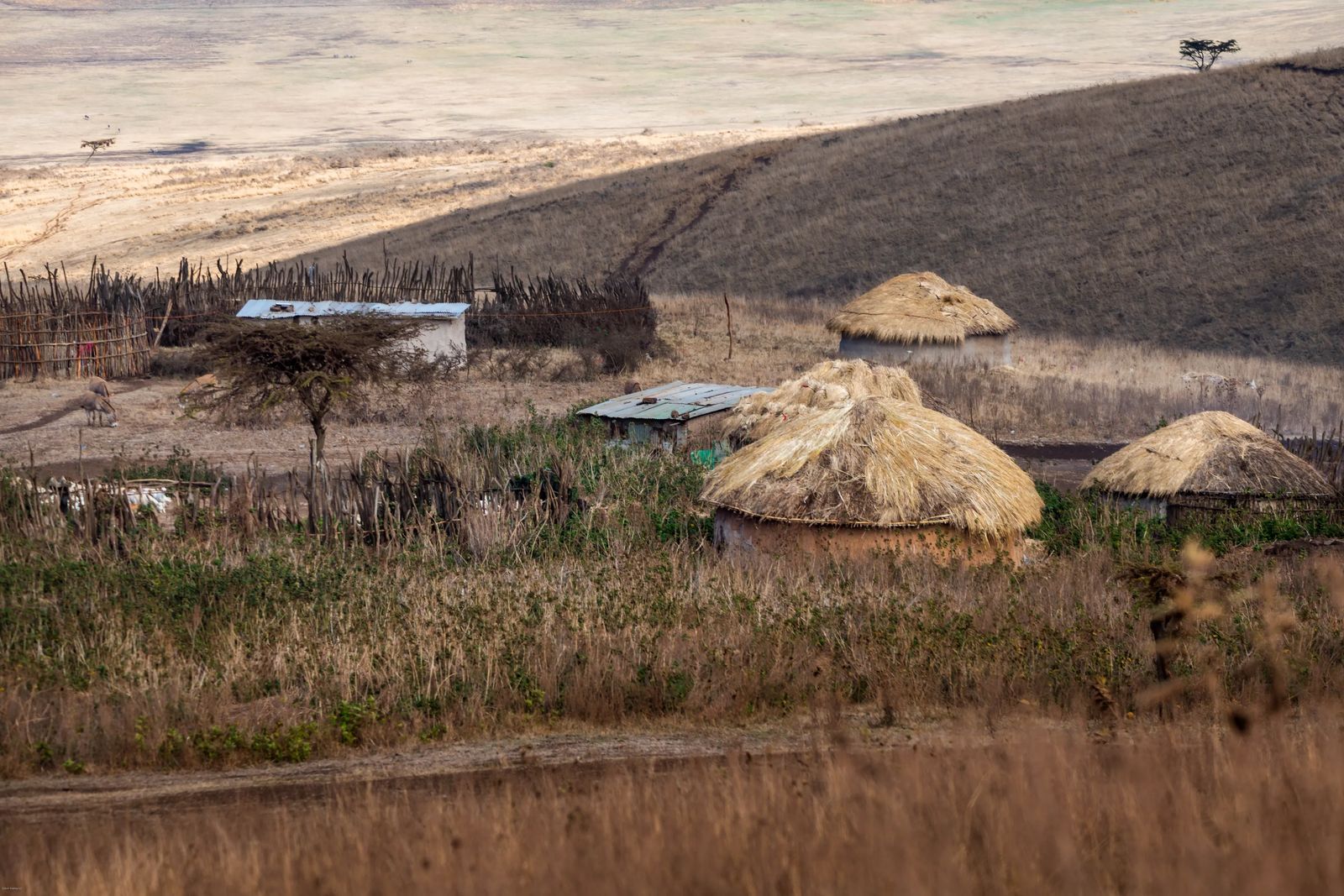
Ngorogoro is unique because of the way that it formed; it is the world's largest unbroken, unflooded, volcanic caldera (basically a big bowl). This highly protected space is not just protected by humans, but also by the steep walls that dive down into the massive valley. It creates a space for us to view these wild creatures (best during the dry season to spot wildlife better) - in a way that has minimal human interaction. It gives a beautiful example of how wildlife and landscapes can be without the concrete, strings of chain hotels and restaurants, and only those (the Swahili) who have resided here for thousands of years are allowed to stay.



What Kind Of Animals Are In Ngorongoro?
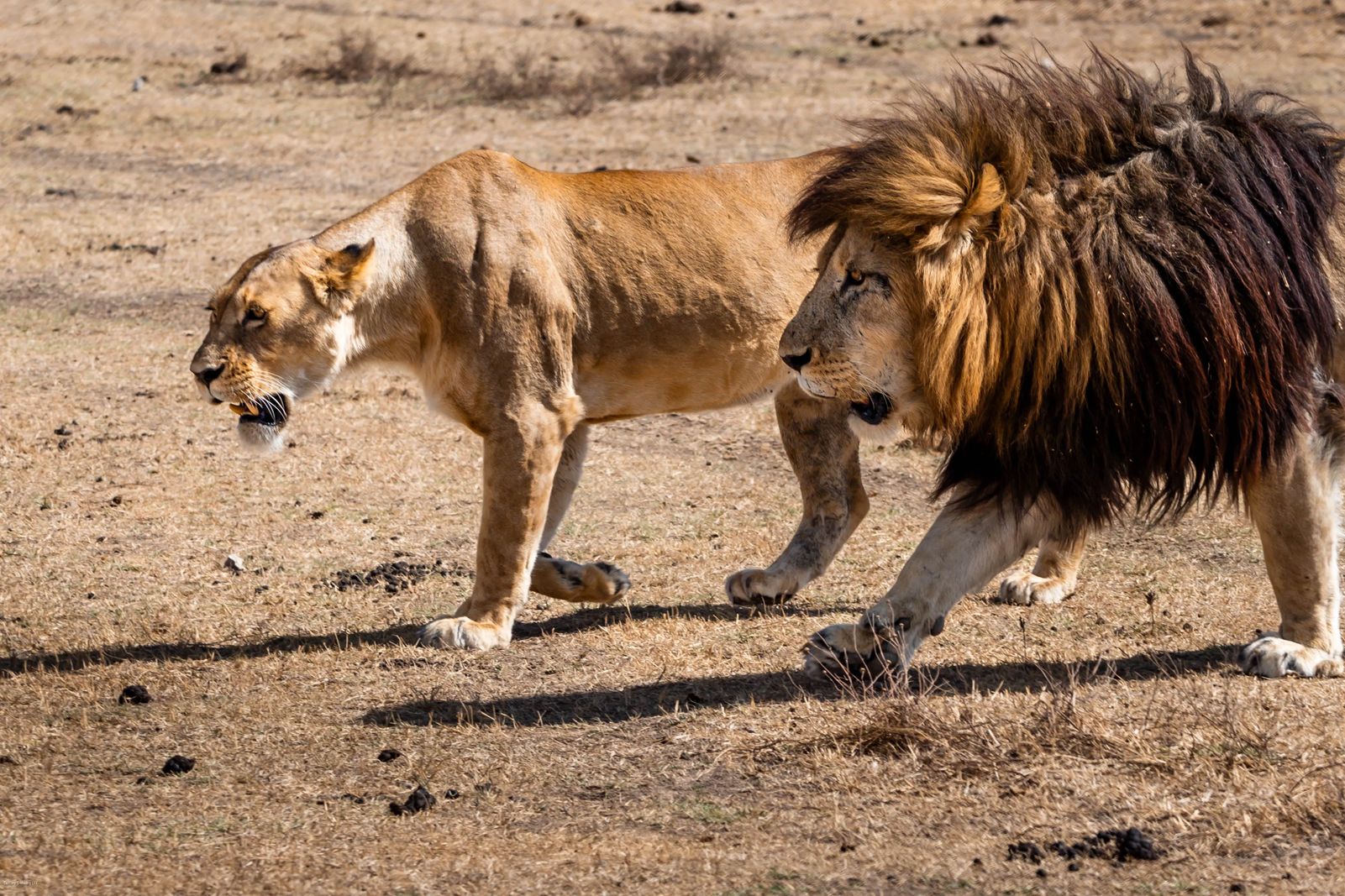
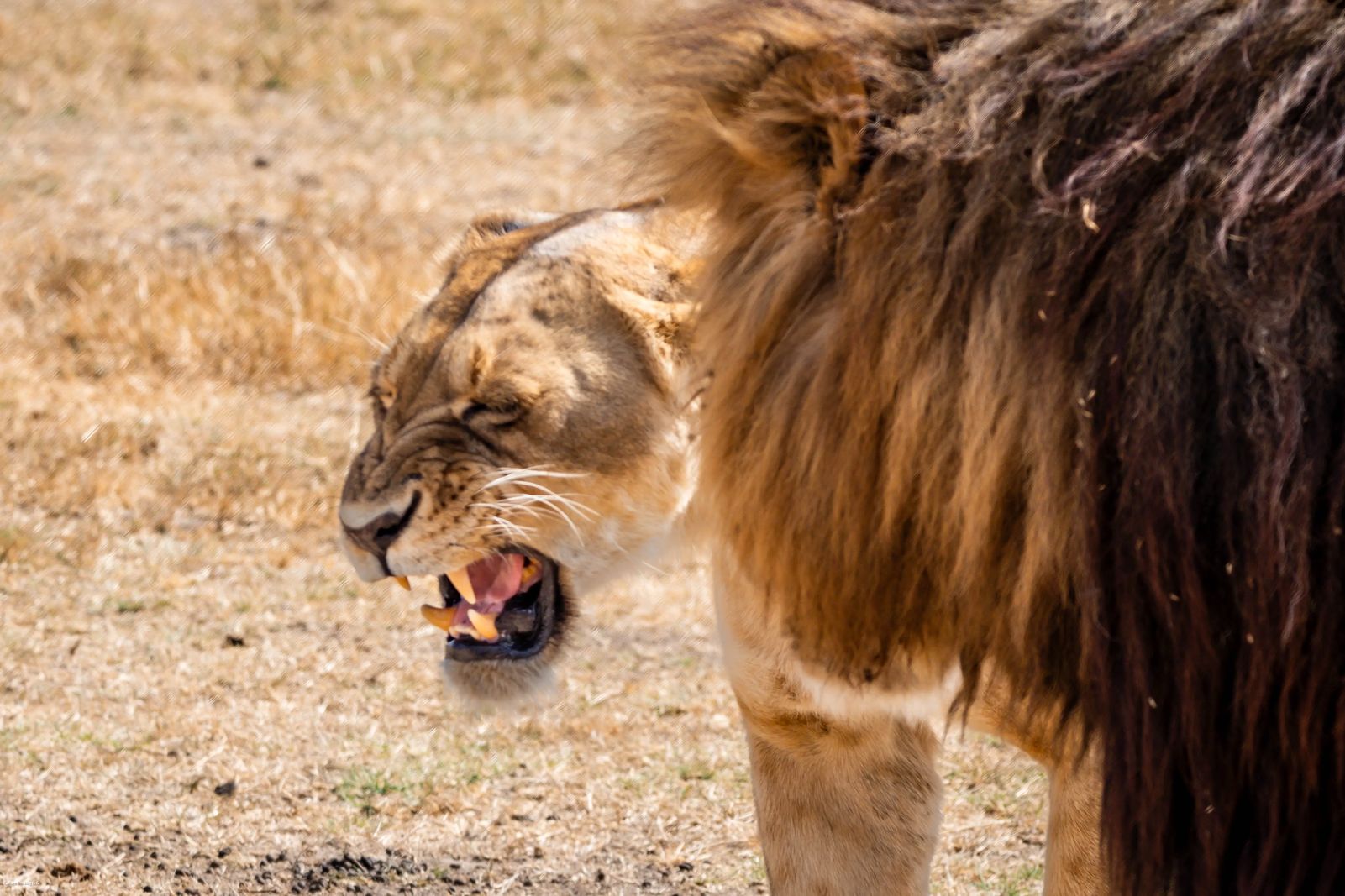
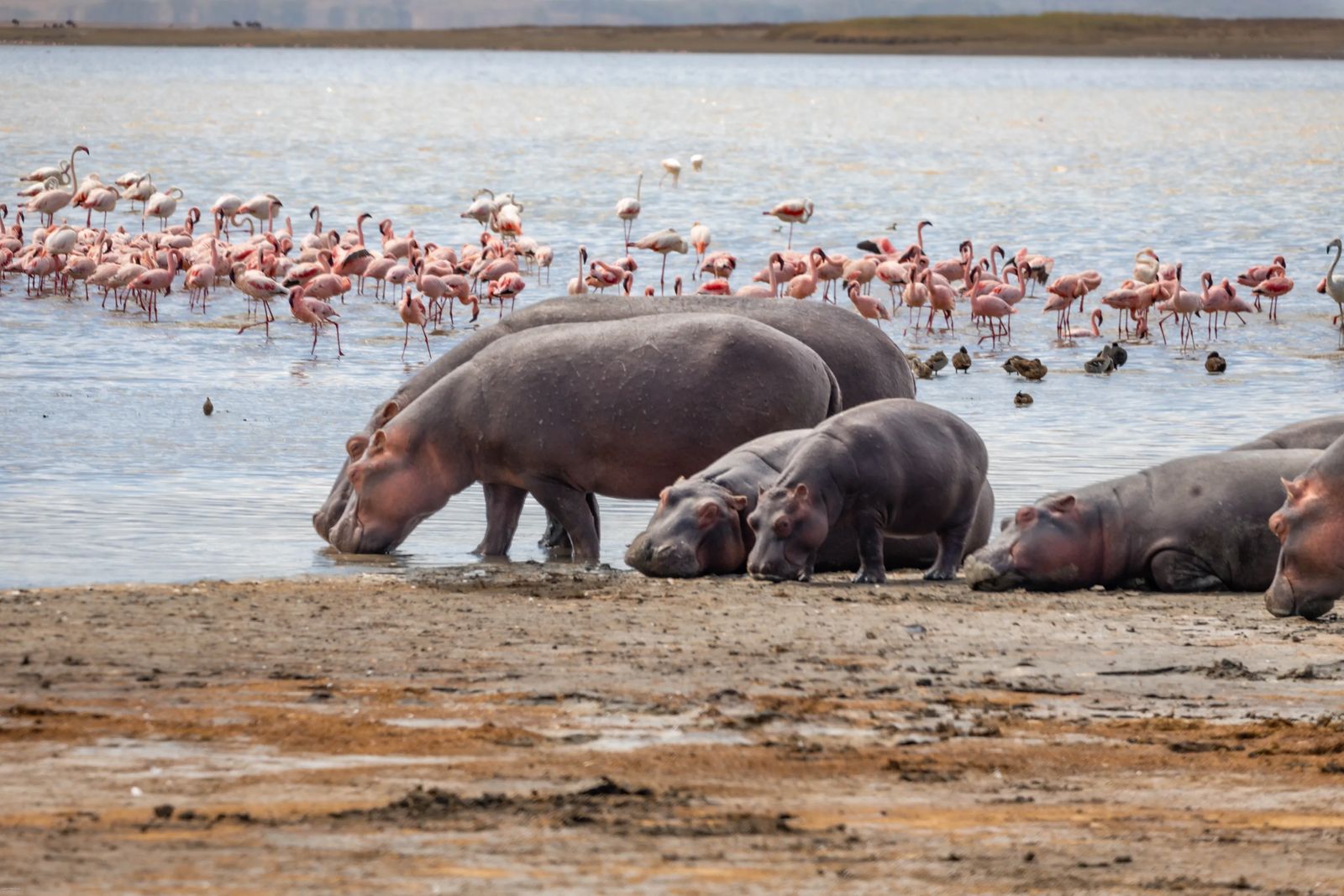
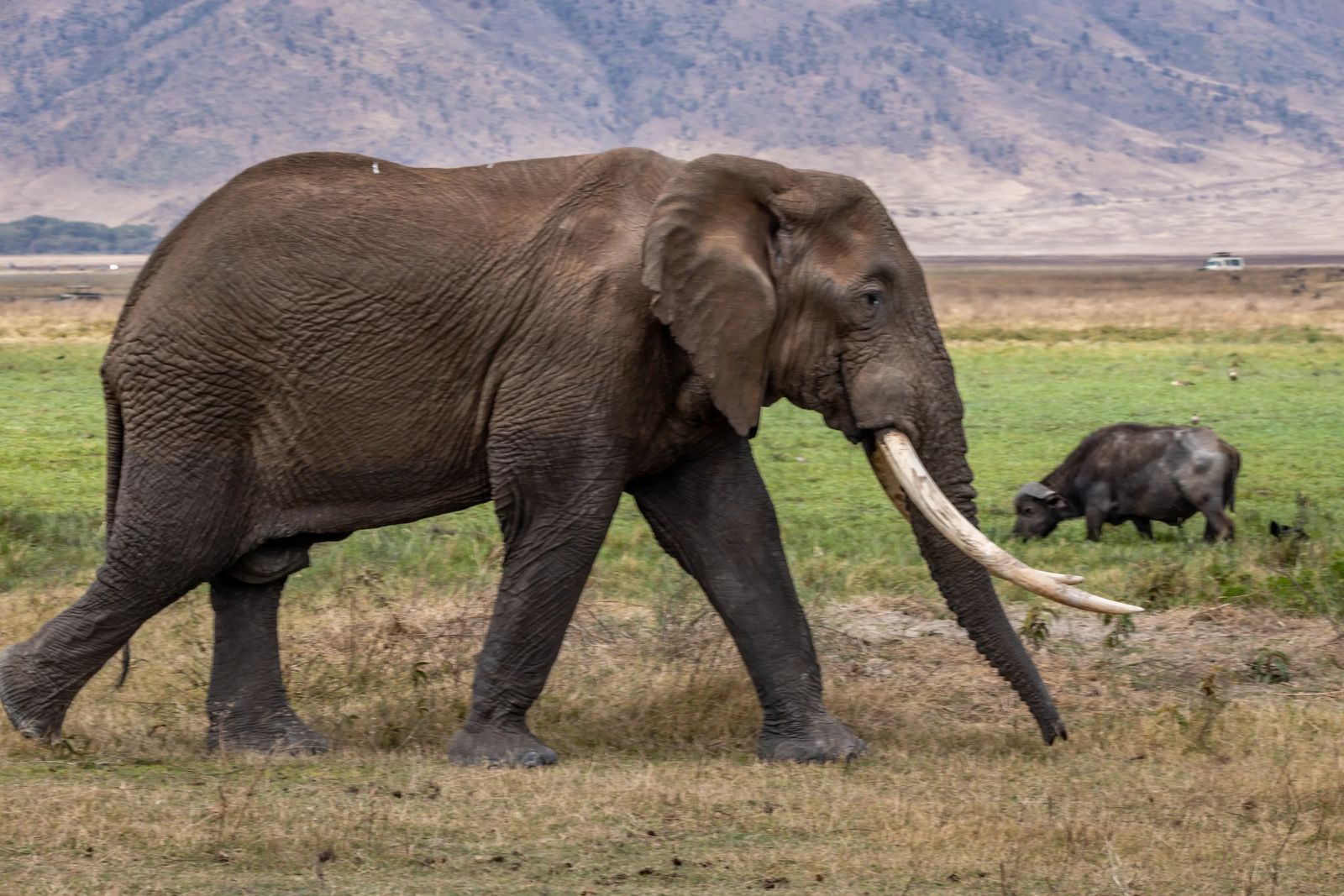
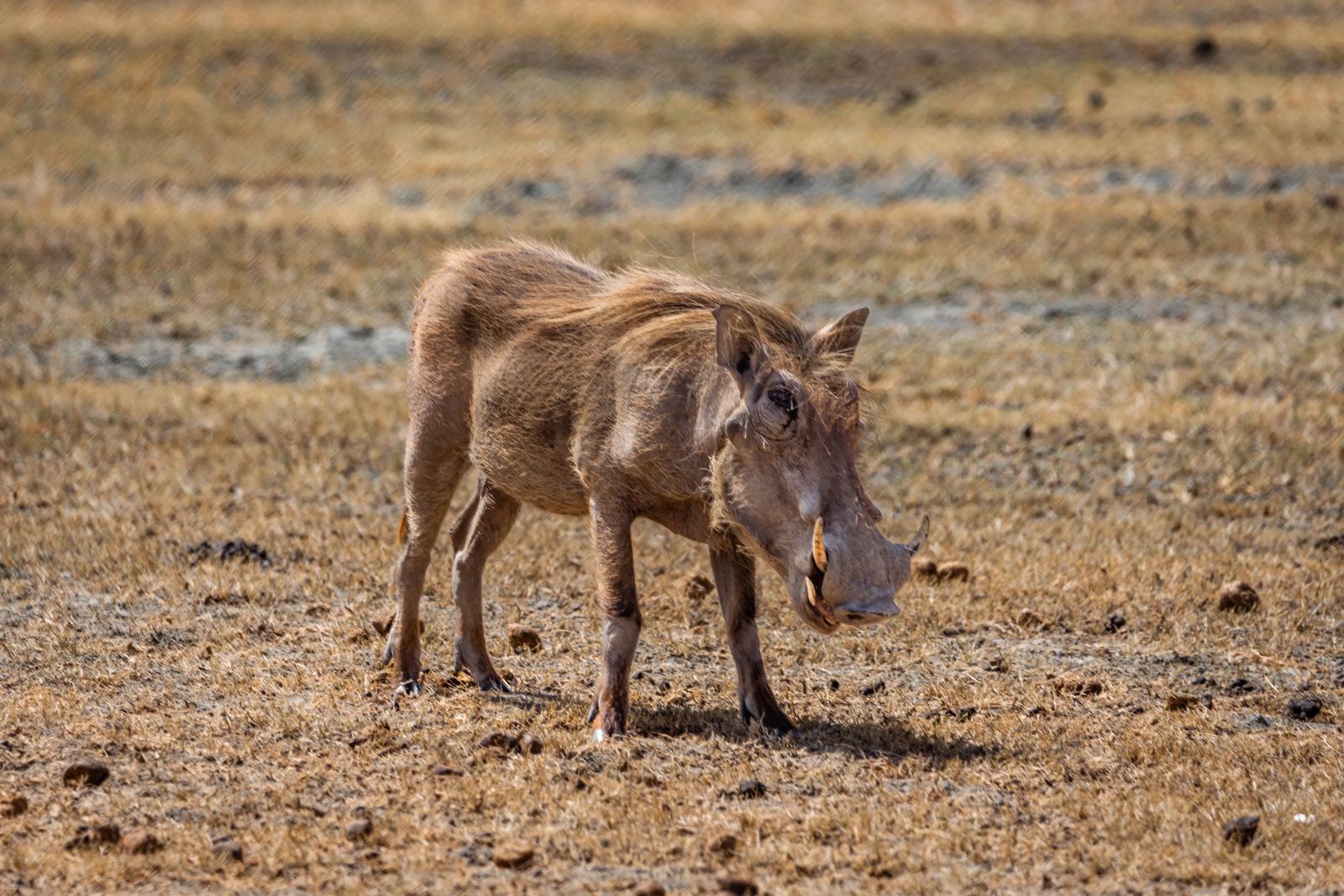
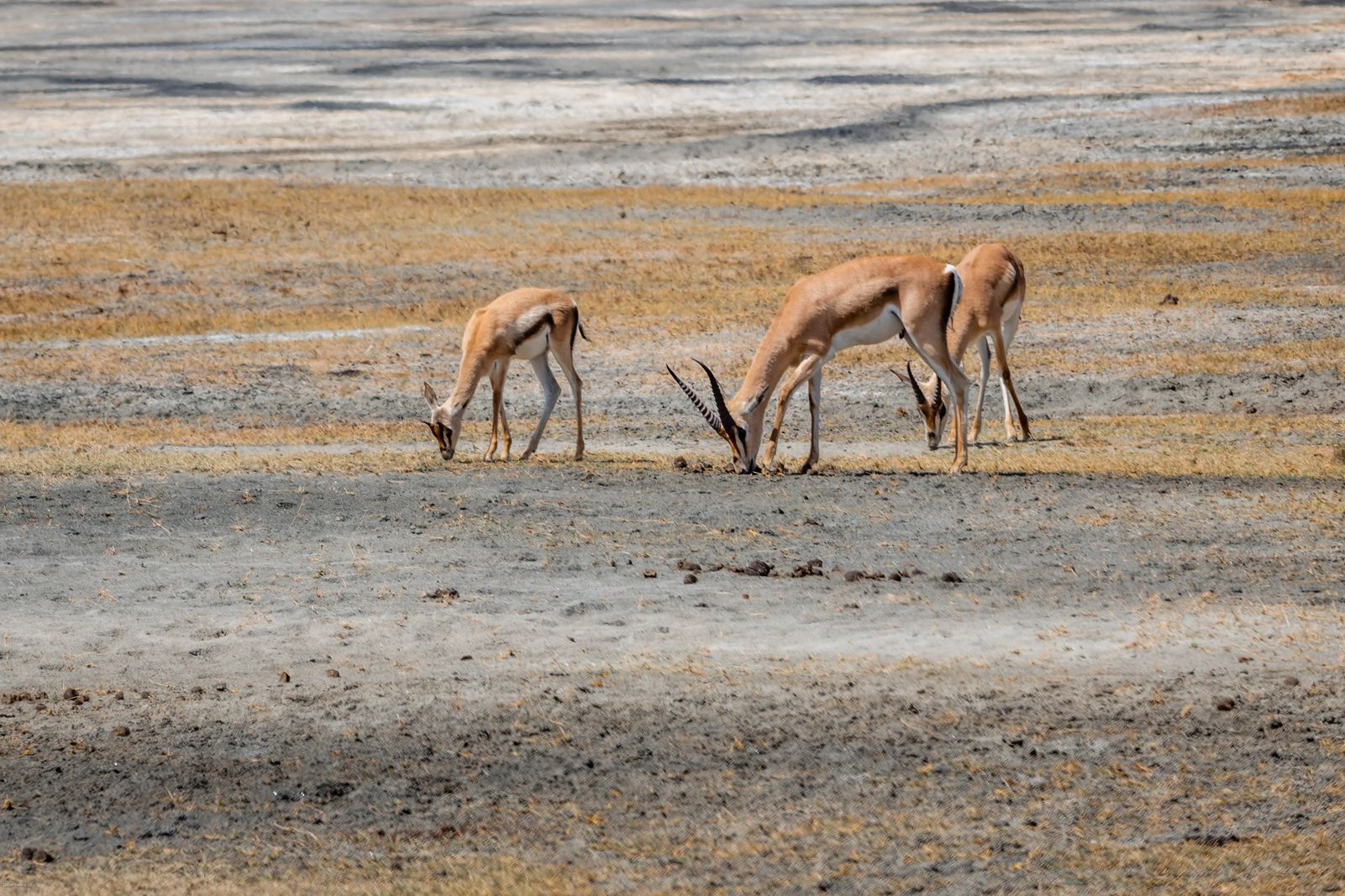
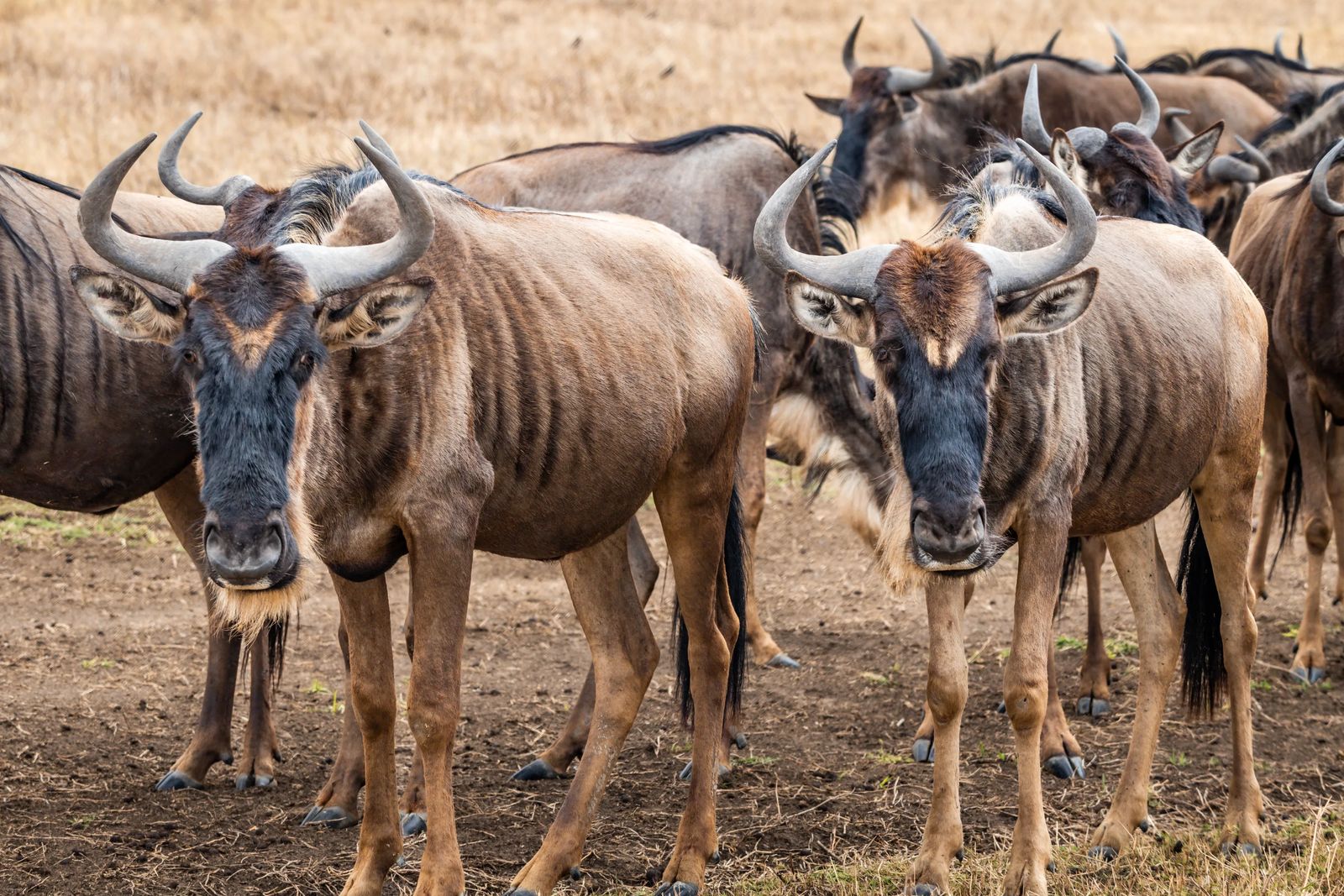
Animals here are similar to what you will find in the other nearby parks like Tarangire and Serengeti, but in massive herds of elephants, lions working as a pride guarding watering holes, Hippos in their bloat, and Hyenas lurking around every field. Wart hogs play in the dirt, all sorts of gazelles, elands, wildebeests, and so many birds to count. You can also see a Black Rhino if you are REALLY lucky. Unfortunately, there are only 30 Black Rhinos left (stupid poachers).
Just to give you an idea of the sheer number of animals inside a 12-mile range, you can find around 7,000 wildebeests, 3,000 elands, 4,000 zebras, 3,000 gazelles, 6,000 black spotted hyenas, 300 elephants (and growing), 65 lions, and 30 black Rhinos. You can also find over 500 species of birds here, with large flocks of flamingos, and massive Ostriches strutting their stuff on the waving fields of grass plains.
I was astonished by how many animals there were in such a small space, and didn't realize (because of zoos keeping animals separate) just which animals were cool with hanging out with each other. They all kinda stuck together, and you could feel a baseline tension in the valley - where you can legitimately feel this edge of caution no matter what time of day it is. It is a 'keep on your guard at all times, or get eaten'. It isn't just the predator/prety hierarchy, but also food and water resources, especially during the dry season.
We were leaving the park and saw a pride of lions, belly up feet relaxed in the air under a grove of trees with a nice breeze bathing partially in the sun - completely asleep. I'm sure there was some kind of drool running down one of their faces (or at least it would be mine) - all the cat lovers definitely squealed at seeing them in their raw cat like nature.
What To Expect With Safari Vehicles & Overall Experience
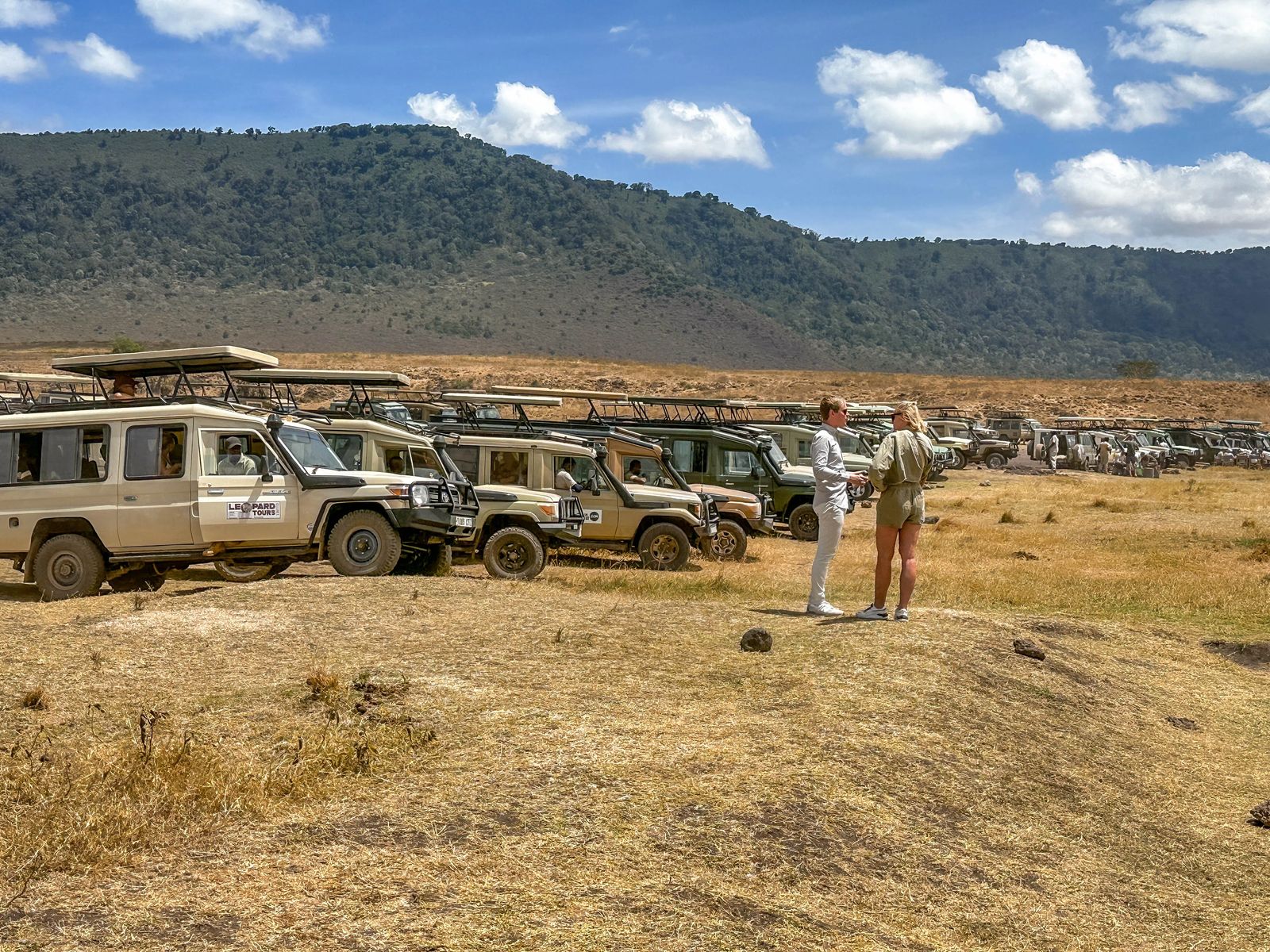
The are all the pretty standard land rover type vehicle with a pop top, sliding side door windows in how they appear. However, you will have variability in the amenities that the cars have is quite large. Some cars have working AC some just have the breeze from the windows while driving. There are typically refrigerators and places to plug in your phone with EU type plugs, our fridge wasn't working but the
Hiking & Cultural Experiences
If you don't wish to be stuck in a safari vehicle for most the day, then I would suggest taking a guided hiking tour or cultural experience tour. I personally love to do these types of experiences whenever possible, because when you really work for 'that view' or slow down and interact with locals along the way - I personally tend to appreciate the trip more because it required more effort. Anything you put real effort into really because so much more meaningful.
Olmoti Crater Climb
Olmoti means "Cooking Pot" in Maasai, in relation to this formerly being a volcano. It is located inside of the Ngorongoro Crater on the Northern side of the Park. The Olmoti Crater spans 4 miles (6.5 km), and the highest point along this crater is 10,104 feet (3,080m). This hike isn't as popular as the Empakaai Crater Climb or dramatic as Ngorogoro but still beautiful.
To hike this area, it is required for you to have a local guide certified by the NCA (Ngorongoro Conservation Area). You can arrange the hike through local safari guides, or head to the Nainokanoka ranger post can arrange this. If you decide to plan it a bit more spontaneously by visiting the ranger station, I would suggest getting there quite early or going a few days before to arrange the hike in case of inclement weather and Tanzania Standard time (aka they take life very slowly - just because you are in a rush doesn't mean they are).
Maasai walking sticks are available for use, and good hiking boots, a hiking bag with water, a light jacket, hat, sunscreen, your own personal items are great to bring. I often like to bring some hiking gloves (garden gloves with rubber on palms or spf paddle boarding gloves) to be able to grab onto things without getting scratched, cut or poked.
The hike itself, begins at this ranger station with your Maasai guide, and likely an armed guard to ward off wildlife. If shots are need to be fired, they are usually fired in the air first a few times, then near the animal a few times, then at the animal to wound it, and if under duress a kill shot. I think it is good to mentally know this BEFORE it happens, so you know that every effort is made to protect both you and the animals within the beautiful park.
The hike is considered moderate due to steep terrain, with steep cattle paths through mountainous forests, grassy plains, and outcrops that allow for great photo ops. The hike is around 2 miles (3km) and will take about 1.5-3 hours depending on group fitness levels and how much you would like to stop. The payoff at the end is a beautiful vista on the summit that overlooks the crater below.
You can hike to the rim or descend into the crater to see the beautiful Munge waterfall and Munge River from below. You will see a variety of birds like raptors, augur buzzard, daintier forest birds, golden winged-sunbird. Your guide will tell you about local vegetation, how it is used in Maasai cultures, medicinal uses for the remote area, animals in the area, and point out animal tracks.
Empakaai Crater
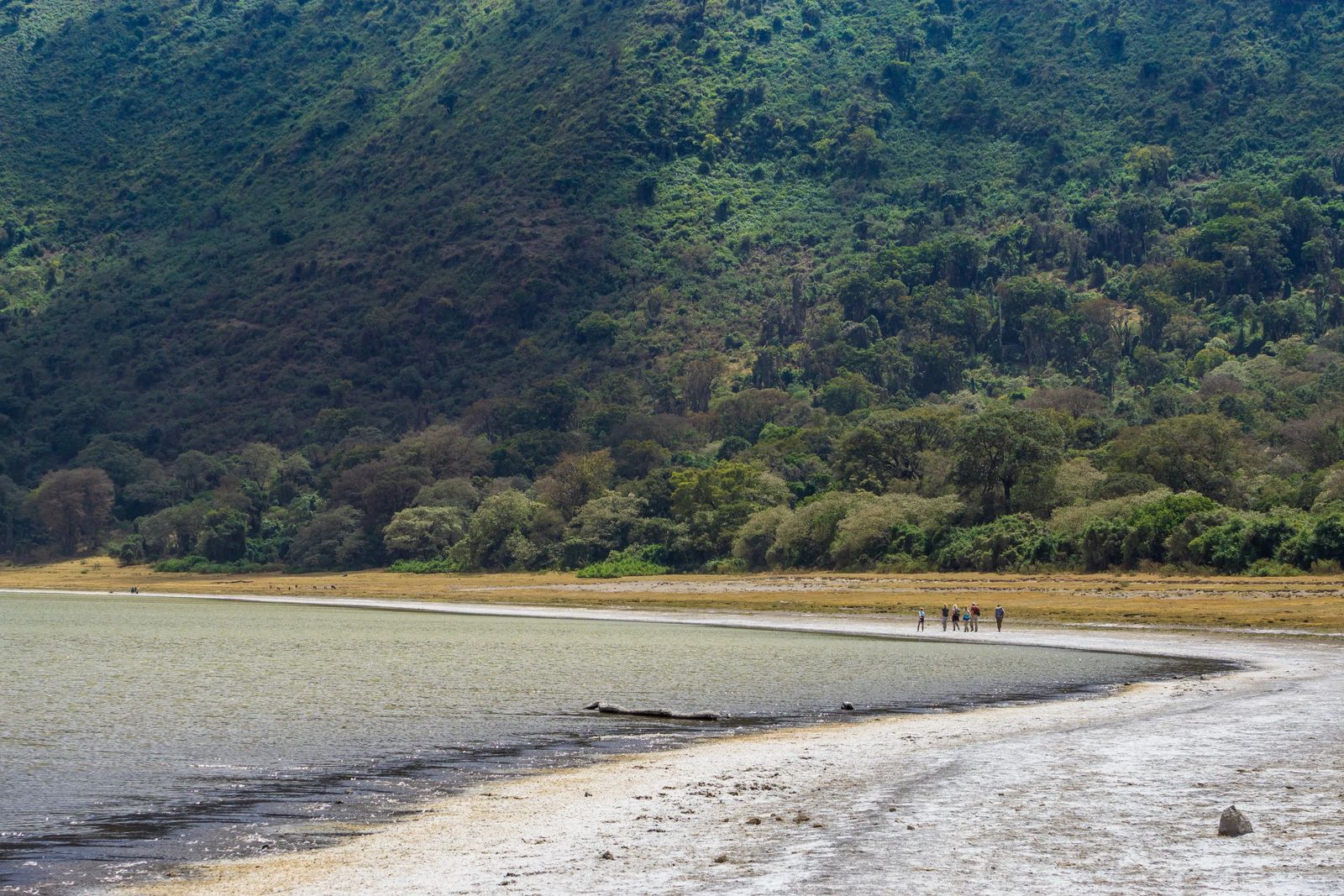
If you like flamingos and dramatic lake scenery then Empakaai Crater Hike is the one for you. This crater is located about 25 miles (40km) North-East of Ngorogoro Crater. You will also need to hire a guide for this hike, this can be arranged at the ranger station or park entrance. The full hike can take anywhere from 1.5 hours to 4 hours depending on the season, fitness level of the group, and how long you would like to enjoy the scenery and take photos.
You start by descending into the caldera or volcano, taking in views of the Ol Doinyo Lengai Volcano - Tanzanias most active volcano, and the blue soda lake below filled with hundreds to thousands of flamingos that gather there year round. You might also see some waterbuck, buffalo, and a range of birds, hyena, and depending on the time of year elephants.
Olduvi Crater
Olduvi Crater is currently one of the most important paleoanthropological sites on the planet, it is 328 feet (100m) deep, and 31 miles (50 km) wide, where remnants of some of the first ever humans have been discovered.
The gorge is named after a plant oldupai which means "the place of the wild sisal", which grows in this area in abundance. This Sisal plant (Sansevieria ehrenbergii), is used in Maasai culture for antiseptics (for the circular weeping wounds), the fibers are used for natural bandages/ropes/baskets and repairing leatherwork. In severe droughts to the area, the plants were used to help sustain cattle until the next rains.
You can see a unique coesistance of the wildlife living with the humans through the semi-nomadic pastoralists who have been practicing this coexistence for generations.
Things Not To Miss When At Ngorongoro Crater
While putting down a few things for you 'not to miss' when at Ngorongoro Crater, I would highly suggest NOT trying to micromanage your guide. They know the tourists that are 'difficult' and they have contacts with all the other drivers, so they will know when to go where, for what animals. However, you can make suggestions of what you would like to see if you have time - or if you have already done your safari and are back to drive through on your own.
- Ngorogoro Crater Viewpoint is going to give you the best views of the crater floor, there is parking, but the viewpoint can get a big crowded after the morning mists have cleared.
- Lake Magadi is the Lake with all the flamingos and Hippos and is a usual stop for all of the good tour guides. The flamingos like feeding on the algae found in the shallow waters - just don't try to drive close to the Hippos.
- Lerai Forest is a sparse forest (in comparison to what you get in the USA) but if you visit in the dry season, there is no foliage and it is easier to spot the elephants and monkeys. It is located on the south side of the crater and is the best place to spot the elusive black rhinos. They tend to hang out in the forest and then pop out to the plains during the daytime. This is where paying the extra to stay right in or near the park will give you the best chance of spotting the big five right away.
- The Rim and Crater Walls is where the hiking and cultural experiences take place I previously mentioned. There are loads of wildlife, olive sunbirds, zebras, and monkeys on the drive down as well, just keep your eyes peeled but don't stop traffic.
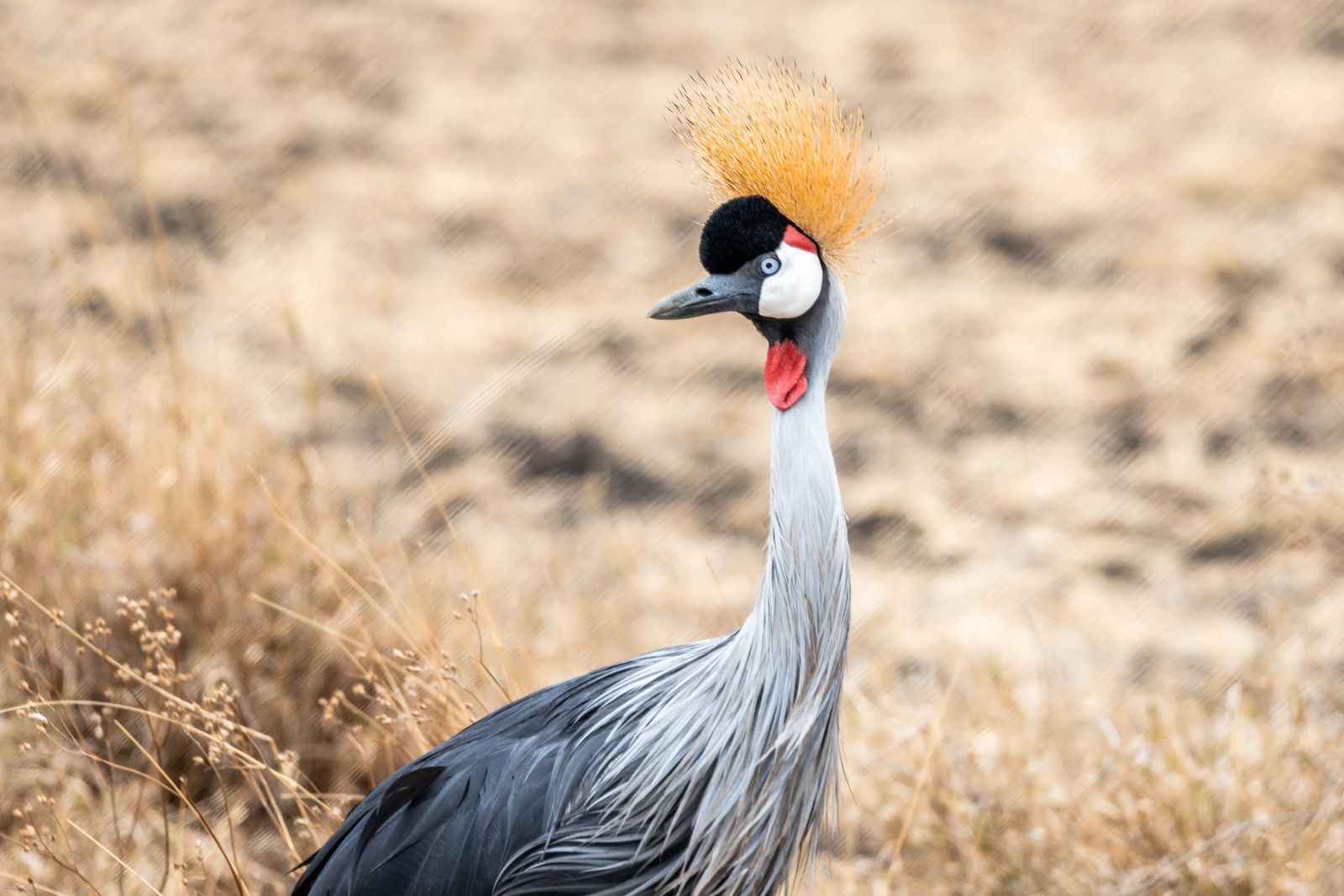
- Swamps in the crater are where the Elephants, lions, wading birds are usually hanging out due to the water holes during the dry season. This is where the grey crowned cranes live.
- Karatu is a 30 minute drive from the entrance into the crater and is one of the smallest wildlife areas in Africa, but has a high density of animals living in that area.
Bathrooms and Amenities At Ngorongoro Crater
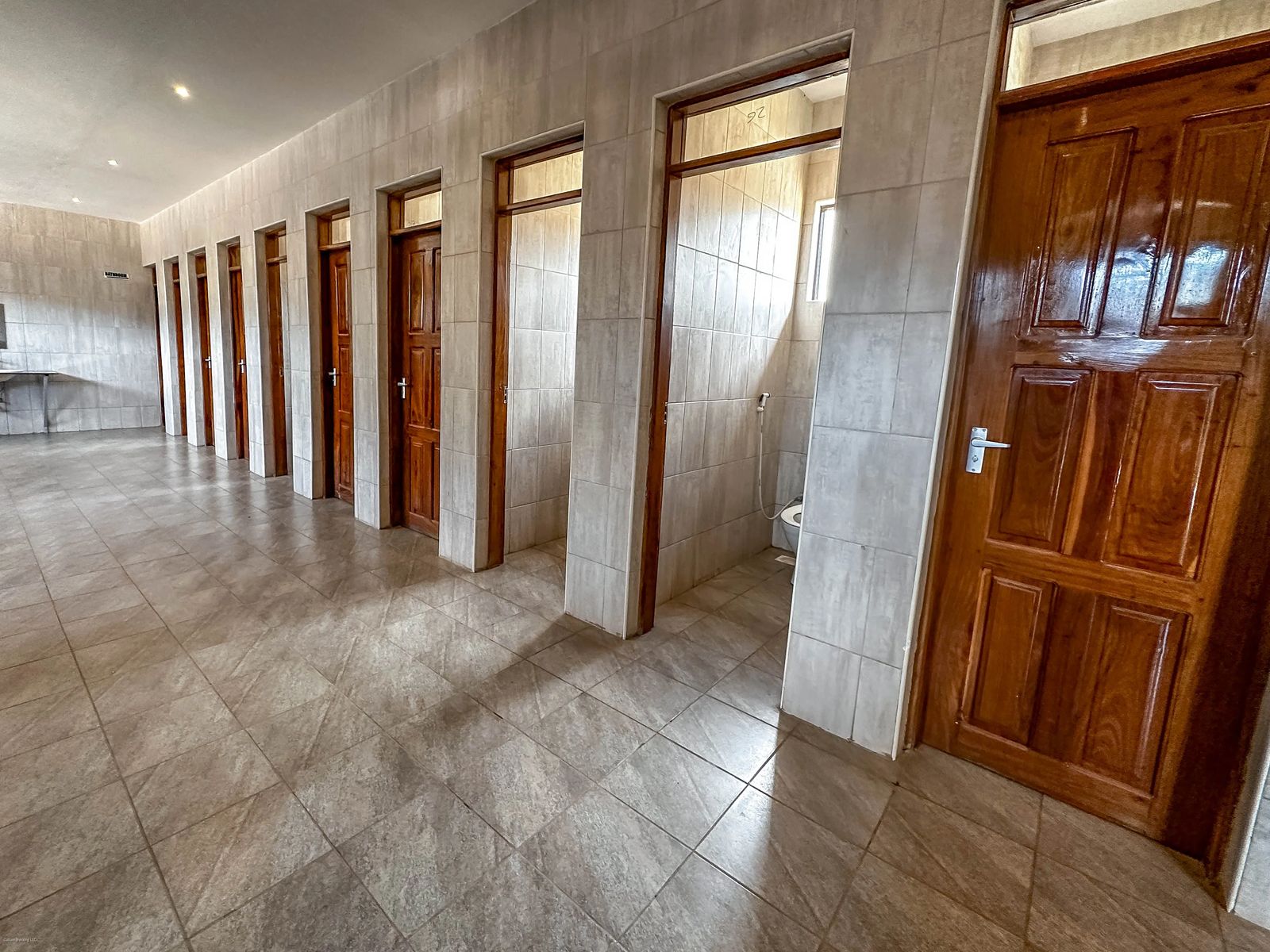
I have a chronic issue with needing a bathroom, so while others may not find this imperative to know - to me it is. I am happy to report the bathrooms at Ngorongoro are sitting toilet seats that flush, no clogged toilets, as well as was being cleaned regularly throughout the day. There are very few bathrooms in the park, only in very specific areas, one of them is the Ngiokitok Picnic Area. This is where many of the Safari Vehicles stop for lunch.
The Ngoitokitok picnic area overlooks a pool of hippos (again, don't get close), and has birds (black kites) that dive bomb you for your food. Make sure you keep your food close to you, keep walking around with it, and keep the windows of the vehicle closed so that the baboons jump into the vehicle to grab your things or food.
The hippos look like big rocks in the pool, that feeds the nearby Gorigor Swamp.
Tips On visiting Ngorongoro Crater
Sunburns can happen inside just as much as outside the vehicle. The windows are kept open most of the ride so I ended up getting such a bad sunburn I ended up blistering as I was so distracted by the animals I didn't even pay attention to sunscreen reapplication.
Migration with the wildebeests (to go to more fertile plains for when the babies are born) happens between November and May, and is found mainly along the Ndutu Plains within Ngorongoro.
Movement within the vehicle, this is something I want all the hard core photographers to be aware of. If you don't book a private tour with people who know what any sneeze or breathing too hard in a tall vehicle does to the view finder - then you will need to be prepared to deal with timing your shots between when people are moving in the vehicle. While resting your lens on a sandbag is recommended, because tripods and monopods just aren't gonna work in these tightly packed vehicles - when someone moves, your camera jumps all over the place. Everyone is there to "get the shot" and very few are there just to experience and enjoy. So put that time value on high, try to do things on auto focus, but sometimes risking the manual focus is the better option in these circumstances. It makes the process slower trying to check to see if the eyes are in focus, but generally feel like it is worth the switch, and much less frustrating to do it this way.
Bring an insulated water bottle if you can, our budget vehicle didn't have AC and the fridge wasn't working in the back for cold drinks - but filling my water bottle with the cold water at the hotel prior to leaving made the car ride a lot less miserable and hot.
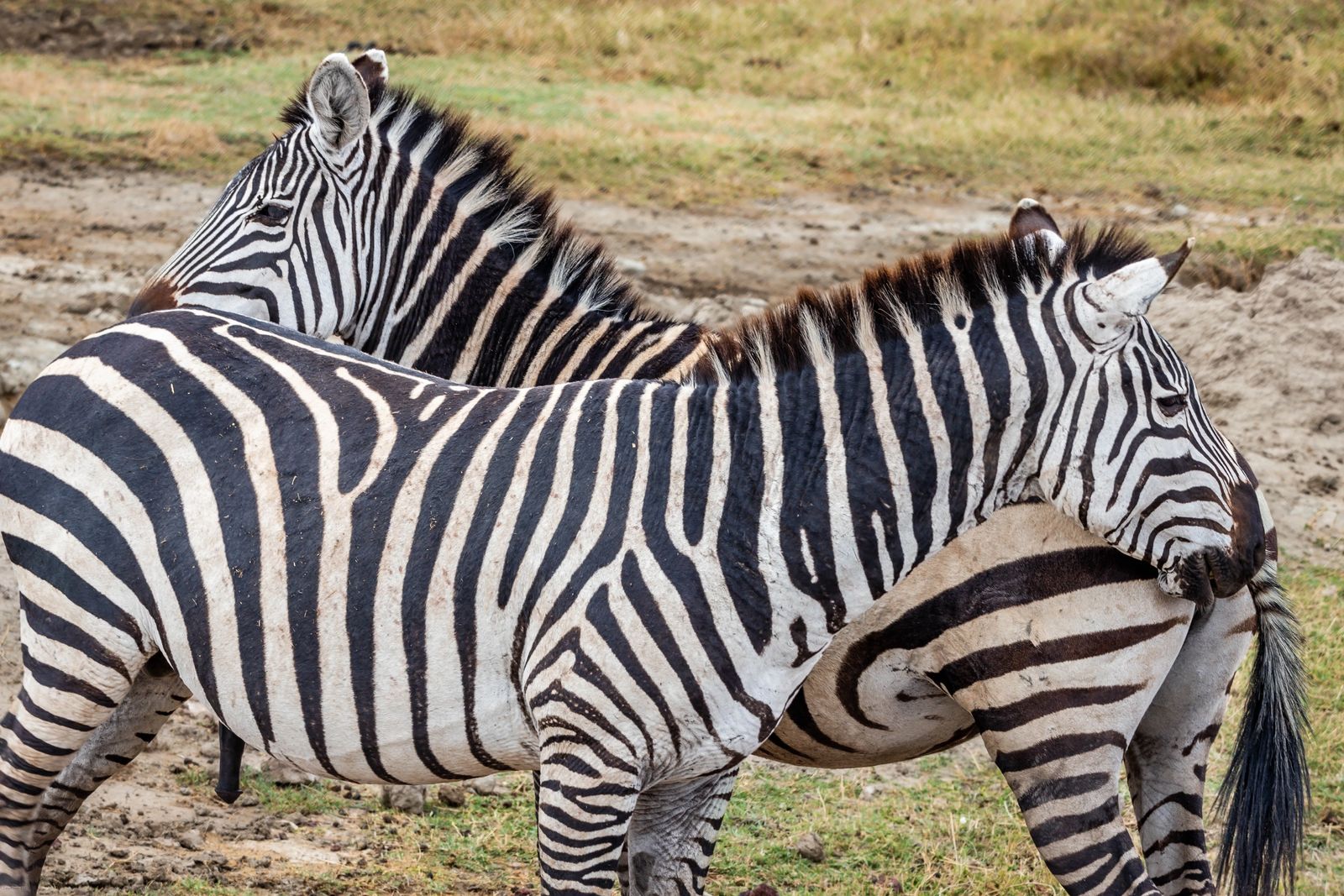
Unique Facts About Ngorongoro Crater
Some of the more unique things you can find in Ngorongoro Crater are the African wild dog and golden cat - these are incredibly rare sightings, and may require multiple visits to the park to see them. Even then, I wouldn't count on it, as they were thought to be extinct in this area for about 30 years.
Black Rhinos are also rare, as mentioned before, but if you have a good eye, the foliage is low, you might be able to catch one drifting between the forest and the fields.
Big cat sightings here are incredible; it has some of the largest concentrations of big cats in Africa. You can also see spotted hyenas, cheetahs, and, occasionally, golden wolves and bat-eared foxes.
You won't see Giraffes here because the foliage they thrive on isn't in the crater - they need quite a bit denser woodland to feed properly.
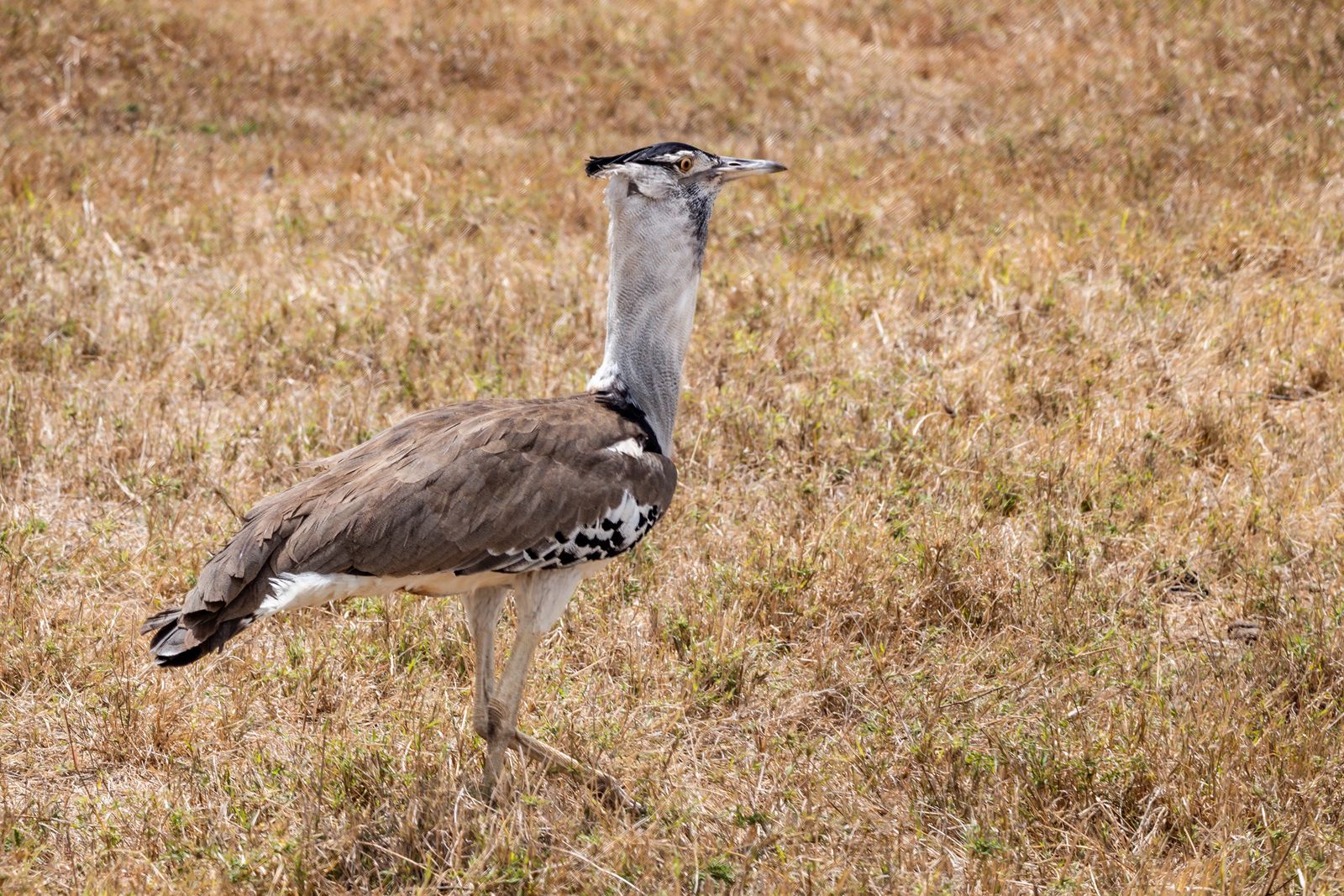
There are over 500 species of birds that frequent the area, including Ostriches, secretary birds, openbill storks, hamerkops, and flamingos.
Conservation Techniques
Groups like Kope Lion, which reach out to communities to decrease conflict and increase tolerance with lions.
The Elephant Crisis Fund, Wild Survivors, and Warriors for Wildlife help provide safe passage for Elephants along the migratory paths to help decrease the impact on the fields for communities who need this to survive.
There are multiple anti-poaching campaigns, trained rangers, sniffer dogs, and aerial surveillance, all to combat the poaching of the Black Rhino.
Best Times To Visit
The best time to visit really depends on what you want to see and how much you enjoy fighting other vehicles to see the animals. It definitely is an 'Instagram vs. reality' sort of situation if you go during migratory season, Nov-May. I will say that being able to see all the animals gathered there, so close to the predators, gives the experience a bit more edge and is completely worth it.
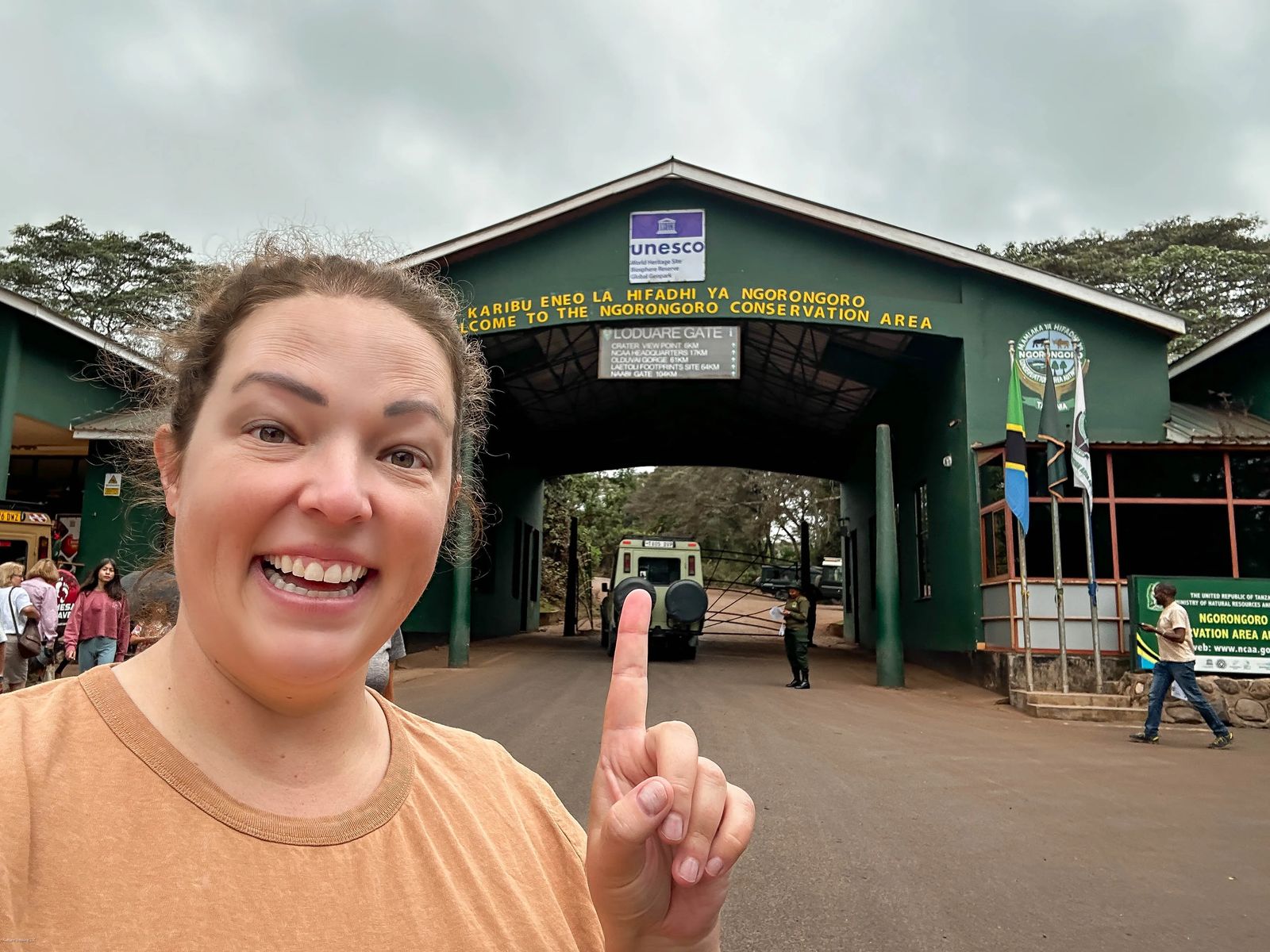
The gates of the park open around 6 am, but to get there right as the gates open and avoid the hour-long ride from the closest town to the park. When I did the budget safari, as a solo traveler - yes, it was much more affordable, but we ended up spending quite a bit of time waiting for other travelers or their breakfast or lunch to be ready. We ended up getting to the park around 10 am and then were in a queue to be able to get into the park as they only allow a certain number of vehicles into the park.
If you are traveling here from Arusha Airport, it takes about 3 hours to drive to the Crater.
Precautions when Visiting Ngorongoro Crater
There are bugs....of course - but the ones you need to be careful of aren't necessarily the mosquitoes but the Tsetse flies, which can and do still transmit the African Sleeping Sickness. While I took a parasitology class, and assumed that you only needed a few bites from an infected fly (which, if you have bad luck, could still be true), the locals informed me that it takes a couple thousand bites now to get it because of the eradication efforts.
I would suggest wearing neutral clothing, nothing black or brightly colored - I tested this theory out with some black pants and a pink shirt. OMG, I changed at the restrooms the first chance I got - it most certainly makes a BIG difference & honestly it really isn't a fashion show when you visit the Crater because besides the designated stops, you really don't get out of the vehicles.
I would still visit your local health care facility and ask about vaccines and preventative medications for Malaria prior to your visit. Please keep in mind that when going for the vaccines and medications, insurance doesn't often cover them and can be between $100-$500 depending on how many you need.
Do not try to get out of the car, folks, you are not the apex predator, and please don't be the idiot that ruins it for everyone else. Stay in the car, follow the rules, or run the risk of being lion meat...
Booking Your Safari
I would use local guides because they have the phones and radios to let each other know where the big game and big five are moving. They really do operate on a village mentality here, so it really is a better experience with a local guide.
If you choose to do a self-driving tour, it also doesn't really save you money - it is $600-$800 per day, in addition to $70-$90 per person per day, and then they charge $150-$250 per standard vehicle. If you want to go down into the crater, it is an additional $300-$500 on top of all of that as well.
A company I have worked with, booking both Antarctica cruises and Christmas Market tours based in the USA, works with reputable companies in Tanzania called Adventure Life. I like Adventure Life because they allow you to pay in installments, so if you are on a tight budget, it allows a bit more leeway to get things booked without being charged the fees most local companies charge for each payment installment.
My Takeaway from Visiting Ngorongoro Crater
Ngorongoro is unique for its concentration of animals in the crater, as well as the predators hunting them. I was able to see the big five during the two days I was there, and the guide was great. It is very remote, a bit hectic to get there, a long ass flight from the USA (especially from Utah) - but absolutely worth the cost.
If I were to visit Ngorongoro again, I would spend the extra to stay on the rim - opt for both a cultural experience, a hike, and 2 days of safaris with morning and evening included.
Once you see the big five, try to capture as many birds as you can; they are a lot harder to capture, but the different colors and mannerisms are so fascinating. Don't know if that means I'm getting old, that I enjoy 'birding', or that I think anyone can appreciate the birds in this place.
Follow the vehicle rules, close the windows so the monkeys don't steal your stuff, watch out for dive-bombing birds that want to steal your food, stay away from hippos, wear neutral colors, and bring backup SD cards and batteries. Most importantly, have an incredible time in one of the most unforgettable places.
Guided Tours of Ngorongoro crater
Where to stay in Ngorongoro
Latest Articles On Culture Trekking



Welcome to Culture Trekking!
My name is Janiel, a leader in the travel industry with over 20+ years of experience with international travel. I specialize in solo female travel, cultural connections, sustainable adventures, food and history to help make your travel experiences fun, meaningful, and delicious. My experience in travel, and my personal story have allowed me to get published in Fodor's Travel, Atlas Obscura, Metro.co.uk, Trip Advisor, and multiple Podcast interviews. You can find me on pretty much every social media channel YouTube, Instagram, Twitter, Facebook, Pinterest, TikTok. To read more about me and my story click here. If you are a brand and would like to work with me, click here.